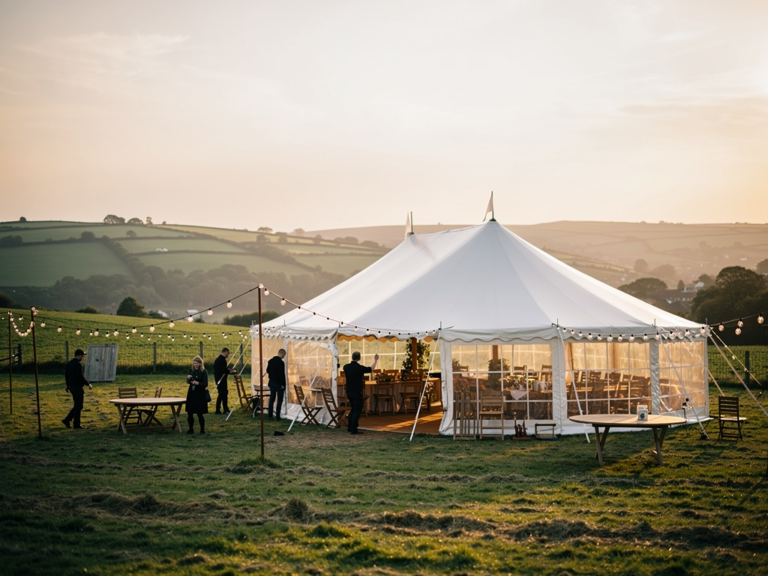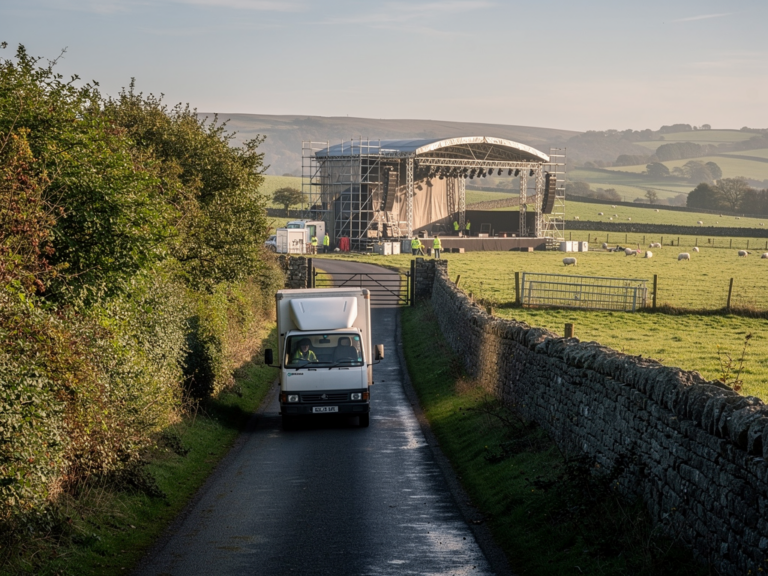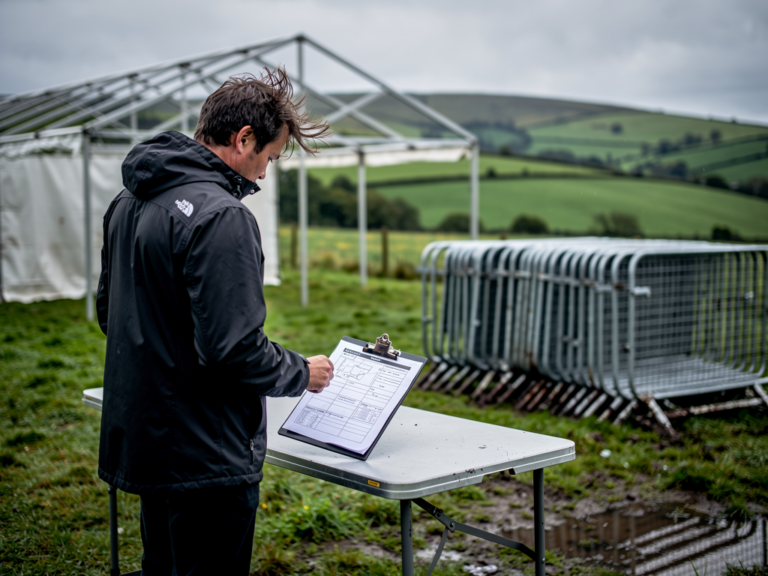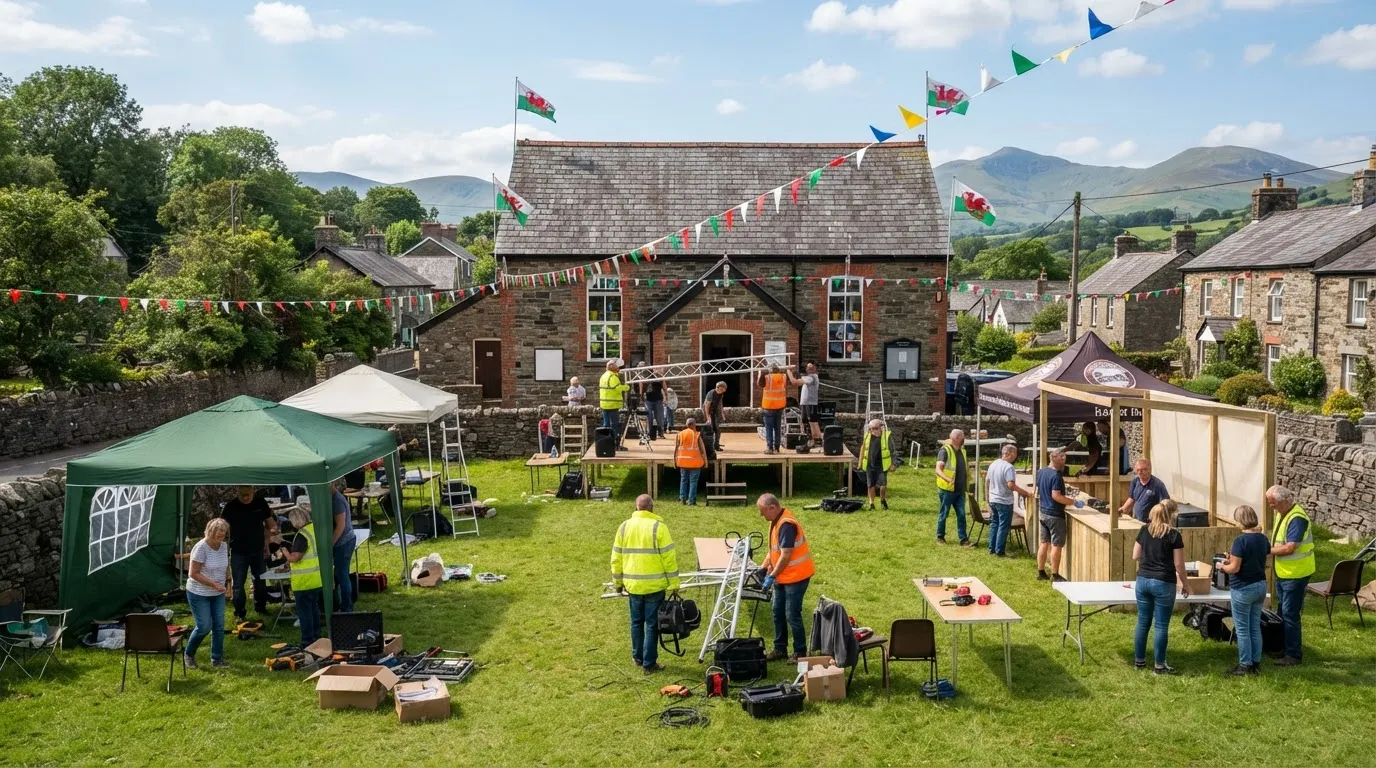
If you are planning a one-off event in England or Wales where alcohol will be sold, regulated entertainment will be put on, or hot food and drink will be served late at night, and the venue does not already have a premises licence that covers it, you will probably need a Temporary Event Notice (TEN). TENs are used for everything from village hall fundraisers and wedding receptions in marquees to beer festivals and pop-up bars at outdoor shows.
This guide explains what a TEN covers, the limits that apply, how far ahead you need to apply, and how to plan your event so the licensing side does not catch you out. It covers the system under the Licensing Act 2003 in England and Wales. Scotland and Northern Ireland have their own arrangements, so check with your local council there.
What a Temporary Event Notice covers
A TEN lets you carry out “licensable activities” on a temporary basis. These are:
- selling alcohol by retail (including a bar where guests pay, or a ticket price that includes drinks)
- supplying alcohol to members of a club
- providing regulated entertainment, such as live or recorded music, plays, film screenings or indoor sport, where it is not exempt
- serving late night refreshment, meaning hot food or hot drink between 11pm and 5am
Some entertainment is exempt from licensing in certain circumstances, for example some live and recorded music before 11pm for smaller audiences. The rules on exemptions are detailed, so if music is the only thing you are planning, check with your council’s licensing team whether you need a TEN at all.
The key limits at a glance
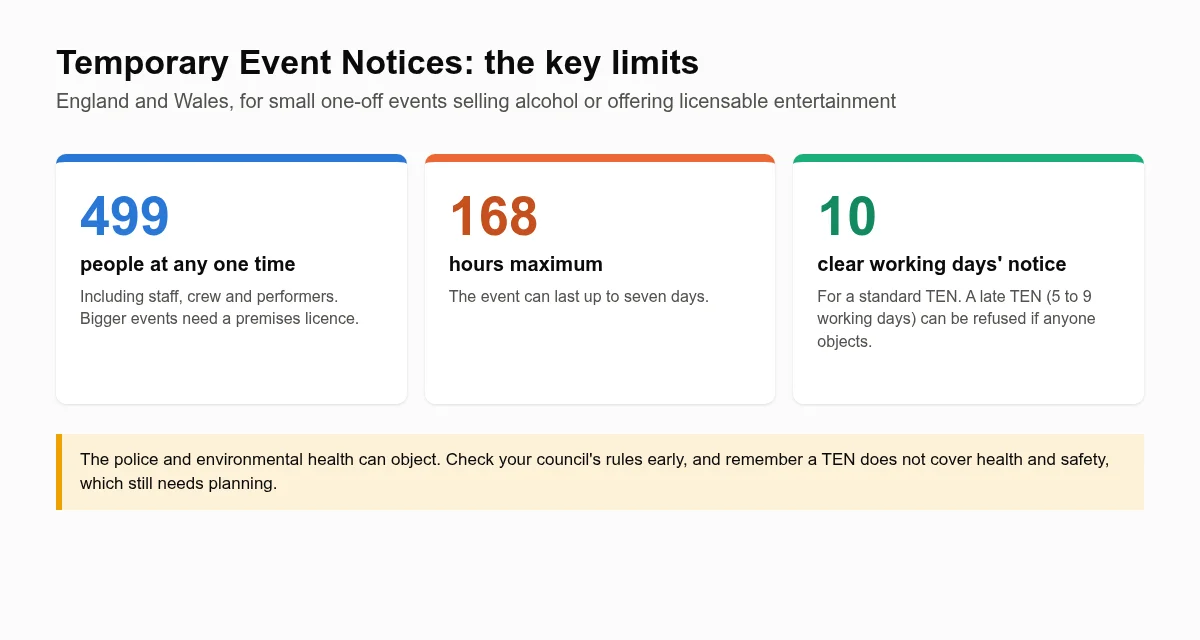
- Up to 499 people at any one time. This includes staff, performers and crew, not just paying guests. If you expect 500 or more on site at once, a TEN is not enough and you will need a premises licence.
- Up to 168 hours (seven days) per event.
- Limits on how many TENs can be given. There are annual limits on the number of TENs an individual can give and on the number that can be used at the same premises. Check the current figures on GOV.UK before you plan a series of events.
- Notice periods. A standard TEN must be given at least 10 clear working days before the event. A late TEN can be given between 5 and 9 working days before, but there are fewer of them available and they cannot go ahead if there is an objection.
“Clear working days” do not include the day you submit the notice or the day of the event, and they exclude weekends and bank holidays. A notice handed in on a Friday for an event two Saturdays later is likely to be too late for a standard TEN. Build in a margin.
How to give a TEN
You give the notice to the licensing authority for the area where the event is held, usually the local council. You can apply through the Temporary Events Notice page on GOV.UK, which routes you to the right council. There is a fee, set nationally. Copies also go to the police and the environmental health team at the council; if you apply online the council usually forwards them, but check.
The person who gives the notice is the “premises user” and is responsible for the event running within the terms of the TEN. Anyone aged 18 or over can give a TEN, but personal licence holders can give more of them each year than people without one.
What you will need to provide
- the address or a clear description of the site, ideally with a plan for outdoor events
- the dates and times of the licensable activities
- which licensable activities you will carry out
- the maximum number of people expected at any one time
- whether alcohol will be sold for consumption on or off the premises, or both
Objections and conditions
The police and environmental health can object to a TEN if they believe the event would undermine one of the licensing objectives: preventing crime and disorder, public safety, preventing public nuisance and protecting children from harm. Noise is a common reason for an environmental health objection at outdoor events.
If there is an objection to a standard TEN, the council will usually hold a hearing and can decide to let the event go ahead, add conditions from an existing premises licence, or issue a counter notice that stops it. If there is an objection to a late TEN, the event cannot go ahead. This is one of the strongest reasons to apply early.
TEN or premises licence?
| A TEN usually suits | A premises licence is likely needed when |
|---|---|
| One-off events with fewer than 500 people at once | 500 or more people will be on site at the same time |
| Events lasting up to seven days | The event runs longer than 168 hours |
| Occasional events at a site | You plan regular events beyond the annual TEN limits |
| Simple bar and entertainment arrangements | The event is complex and needs a full operating schedule |
Premises licence applications take much longer, typically involving a 28-day consultation, so a large festival needs to start months ahead.
A TEN is not a safety plan
A TEN deals with licensing. It does not replace your duties under health and safety law. You still need a suitable event risk assessment, sensible crowd management, safe structures, fire safety arrangements and a plan for bad weather at outdoor events. HSE’s event safety guidance and The Purple Guide are good starting points. Showing police and environmental health that you have thought these through can also reduce the chance of an objection.
A simple timeline
- Six to eight weeks out: confirm the site, expected numbers and what licensable activities you need. Speak to the council licensing team if anything is unusual.
- Four weeks out: give the TEN. This leaves time to respond to concerns.
- Three weeks out: finalise the risk assessment, site plan and crew plan.
- On the day: keep a copy of the acknowledged TEN on site, stick to the times and numbers in it, and make sure bar staff know the rules on serving alcohol.
Crew for your event
Idloes Stage Crew supplies experienced event crew across Mid Wales and the borders, from stage and marquee builds to load-in, load-out and site support. See our services, read our guide to planning crew for load-in and load-out, book crew online or get in touch to talk through your event.